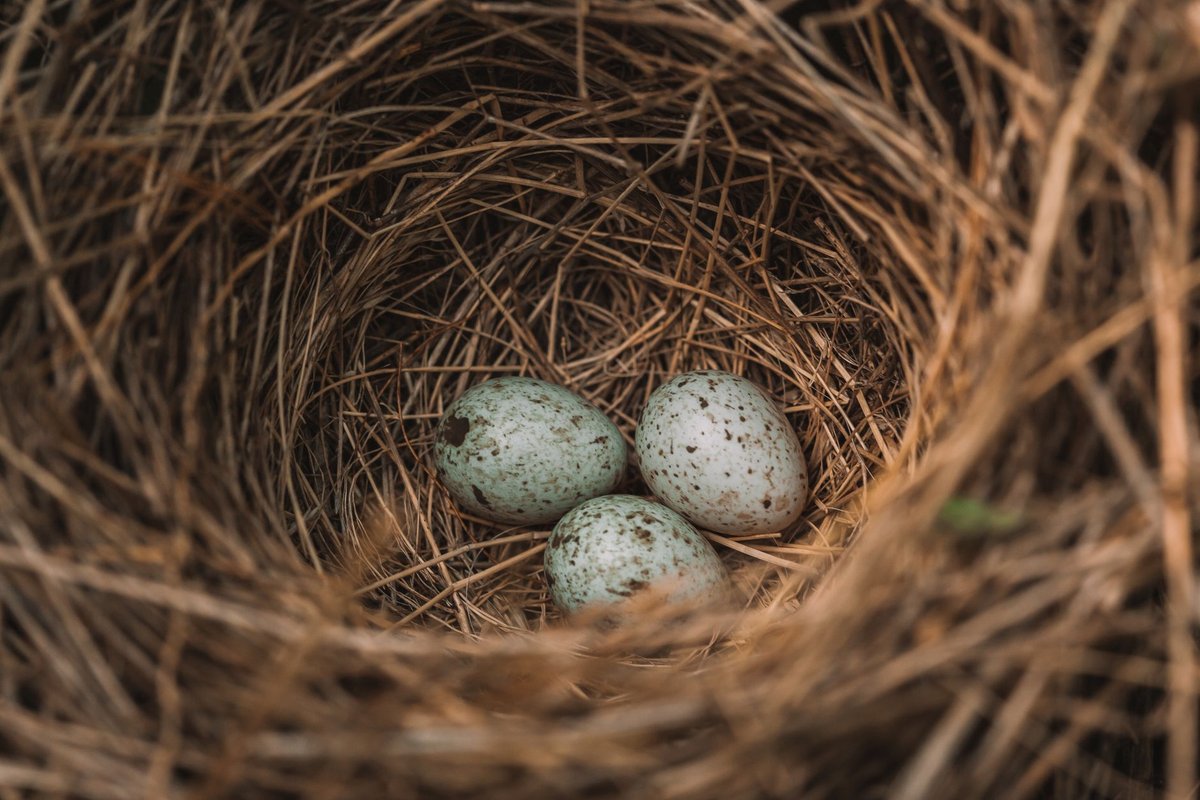
Quick answer: cockatiels lay one to two clutches a year, each of 2-8 eggs (most often 4-7), with an egg arriving roughly every 48 hours until the clutch is complete. Incubation runs about 18-21 days. Hens can and do lay without a mate - those eggs are infertile and will never hatch - and if your bird has just surprised you with one, the single most important rule is: leave the eggs in place for about three weeks. Removing them early tells her body to lay replacements, and every extra egg drains calcium she can’t spare.
The numbers at a glance
| Question | Answer |
|---|---|
| Clutches per year | 1-2 naturally; captivity can push it to 3-4, which is unhealthy |
| Eggs per clutch | 2-8, typically 4-7 |
| Laying interval | One egg roughly every 48 hours |
| Incubation | About 18-21 days from when the hen starts sitting |
| Puberty | 5-6 months - laying is physically possible from here |
| Sexual maturity | 9-12 months; breeders wait until at least 18 months |
| When laying stops | Slows with age, typically ending around 8-10 years |
| Can males lay? | No - a bird that lays an egg is a hen, whatever you were told |
Timing detail on when hens start and stop is in what age do cockatiels stop breeding?
“My cockatiel laid an egg - what do I do?”
- Leave the egg where it is unless it’s cracked or smashed. Hens count their clutch; a missing egg prompts a replacement.
- Expect more. One egg every two days or so until the clutch is done. She may ignore the first eggs entirely - many hens don’t sit until the clutch is complete, and some never sit on infertile eggs at all. Both are normal.
- Add calcium now. Cuttlebone or a mineral block at minimum; each egg’s shell comes out of her skeleton if the diet doesn’t supply it.
- Keep her quiet and unbothered. No cage rearranging mid-clutch, gentle handling only.
- After ~3 weeks of sitting (or obvious disinterest), remove the eggs - all at once, calmly. Infertile eggs will never hatch; three weeks satisfies the hormonal cycle without triggering re-laying.
- Watch for trouble: a hen straining, hunched on the floor with a swollen abdomen has a stuck egg - egg binding is a same-day emergency.
A hen laying with no male around is common and has nothing wrong with her - like a chicken, she can produce infertile eggs on hormones alone. The full picture, including how often single hens lay, is in how often do cockatiels lay eggs without mating? If she’s laying from the cage floor rather than a nest, see why is my cockatiel laying eggs on the bottom of the cage?
Caring for a laying hen
Egg production is the most physically expensive thing a hen’s body does, and the costs compound with every clutch.
- Calcium and vitamin D3. Cuttlebone always available; D3 (from unfiltered sunlight or full-spectrum lighting) is what lets her absorb it. Low calcium is the road to soft-shelled eggs and egg binding.
- Upgrade the diet during laying. Quality pellets as the base plus calcium-rich greens; the food safety list covers the details.
- Warmth, quiet, and no surprises while she’s in laying condition.
- Weigh her weekly. Laying hens can lose condition fast; a gram scale catches it - see how much should a cockatiel weigh?

- Extra-Large Wrought Iron CageWith a large size of 30.3 L x 18 W x 51.2 H and a bar spacing of 3/8, this strong wrought iron cage offers a safe and spacious mansion for multiple birds/small animals. The 3-tier design expands the usable area vertically and creates more spaces for pets to climb and explore.
- Deluxe Cage For Small Animals & BirdsThis huge pet cage can accommodate more than five small to medium birds like lovebirds, conures, parakeets, budgies, cockatiels or small animals like sugar gliders, rats, squirrels, etc.
- Safe & Sweet HomeEvery door is secured with locks to make sure your little escape artists stay safely in their home when unattended. Moreover, the bar spacing of 1cm/ 3/8 is decent for small to medium birds or small animals.
- Solid Metal Cage ConstructionThe large bird cage is crafted from wrought iron with water- and oxidant-resistant finish for improved strength and high durability.
- Must-Have Mobility & Added StorageBenefit from the mobile stand with an open shelf, this extra-large pet cage gains convenient mobility and additional storage space for pet accessories.
When laying becomes a problem
More than two clutches a year is a health problem, not a bonus. Chronic laying drains calcium relentlessly and raises the risk of egg binding, soft-shelled eggs and fractures. Captive conditions cause it - long light hours, abundant rich food, nest-like spaces and hormonal triggers from her favourite human. To wind a chronic layer down:
- 12-14 hours of genuine darkness a night - long days read as breeding season
- Remove huts, tents, boxes and access to dark corners, cupboards and drawers
- Head and neck scratches only - back and tail stroking is a mating cue
- Rearrange the cage between clutches to break the territorial nesting pattern
- Trim rich, fatty treats - food abundance signals a good year to breed
- Persistent chronic laying despite all this: talk to an avian vet about hormonal treatment
If you’re breeding deliberately
Wild cockatiels breed in spring and summer; captive pairs can breed year-round, which is why responsible breeders control the conditions rather than the other way around. Wait until the hen is at least 18 months old, provide a proper nest box, and feed up before and during the clutch. Fertile eggs hatch at 18-21 days from the start of sitting - how long do cockatiel eggs take to hatch? covers the countdown, and egg candling shows you how to check fertility from about day 5 without harming the egg. A hen that abandons a clutch mid-incubation usually has a reason - disturbance, poor nutrition, or infertile eggs she’s given up on.
Frequently asked questions
Why isn’t my cockatiel sitting on her eggs?
Most hens don’t start incubating until the clutch is complete - sitting from egg one would hatch the chicks days apart. Give her a few days. Hens also frequently refuse to sit on infertile eggs at all, which is instinct working correctly, not a problem to fix.
Should I get a nest box for my single hen?
No - the opposite. A nest box tells her body it’s breeding season and encourages more laying. Nest boxes are for deliberate breeding pairs only; for a chronic layer, remove anything nest-like.
Can I eat or discard the eggs straight away?
Discarding immediately backfires - she’ll lay replacements. Leave infertile eggs about three weeks, then remove the lot. (And while cockatiel eggs are technically edible, they’re tiny and most owners simply bin them.)
How many eggs can a cockatiel lay in her lifetime?
A healthy hen kept out of chronic-laying patterns might produce a modest number of clutches across her laying years, slowing through her senior life. Rare individuals lay far more - up to 20 eggs in extreme cases in a single run - but that’s a veterinary problem, not a record to celebrate.
Do cockatiels mate for life?
Bonded pairs are strongly loyal and usually re-pair only if separated - see do cockatiels mate for life?