Can Cockatiels Safely Eat Dragon Fruit? A Guide to Feeding Your Bird
Updated 12 Aug 2026
Cockatiels can eat dragon fruit in moderation as part of a balanced diet. This tropical fruit offers nutritional benefits, making it a safe treat for your feathered friend.
Cockatiels, also known as Nymphicus hollandicus, are one of the most popular pet birds in the world. They are known for their playful and affectionate personalities, as well as their ability to mimic human speech. While they are typically fed a diet of seeds, fruits, and vegetables, many owners wonder if they can add dragon fruit to their pet’s diet.
Key Takeaways
Diet & Nutrition: Always verify that any new food is non-toxic and safe for cockatiels before feeding.
Behavior & Care: Sudden changes in behavior or droppings require immediate attention.
Environment: A clean, stimulating environment is essential for a cockatiel’s physical and mental well-being.
Can cockatiels eat dragon fruit? In this blog post, we’ll explore whether cockatiels can eat dragon fruit and the benefits and risks associated with doing so. So if you’re a cockatiel owner or just curious about what these birds can eat, keep reading to find out!
Overview of Cockatiels
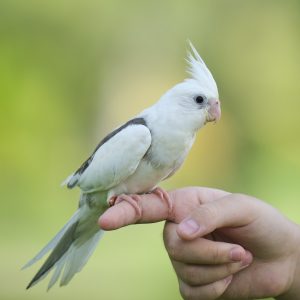
Cockatiels are small birds that belong to the parrot family. They are native to Australia and known for their long, pointed tail feathers and colorful orange or yellow crest. They typically weigh between 3-4 ounces (85-113 g) and have an average lifespan of 15-20 years when kept as pets.
Dragon Fruit
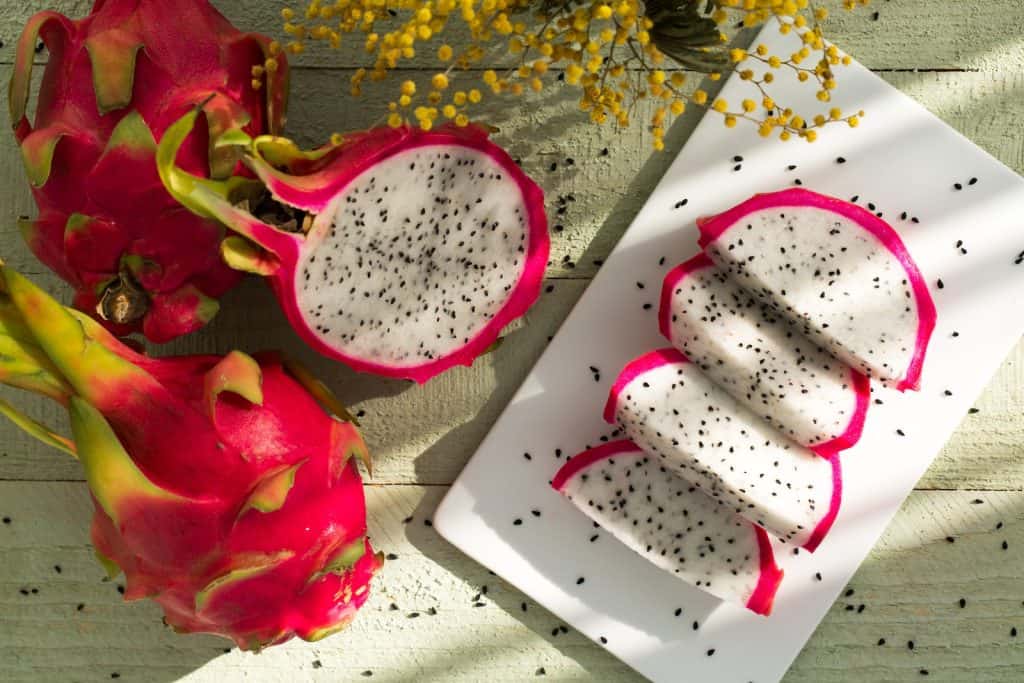
Dragon fruit, also known as pitaya or strawberry pear, is a tropical cactus fruit native to Mexico and Central America. It has a sweet taste, with notes of kiwi and pear, and is often eaten for its nutritional benefits. Dragon fruit is high in antioxidants, vitamins C & E, iron, and fiber. Additionally, its seeds are a source of healthy fat and protein.
Can Cockatiels Eat Dragon Fruit?
Do birds eat dragon fruit? Yes, cockatiels can eat dragon fruits and benefit from the nutrients it provides. However, like any food item, moderation is key when feeding your pet bird this treat. Too much may cause digestive problems or other health issues. When introducing dragon fruit to your cockatiel’s diet, offer it as a small treat no more than twice a week.
It’s important to cut the dragon fruit into pieces small enough for your bird to eat safely and easily. You should also remove the seeds from the flesh before giving them to your pet, as they can be a choking hazard. Additionally, you should avoid feeding your cockatiel the skin of the dragon fruit as it may contain toxins that could make them sick.
Benefits of Feeding Dragon Fruit to Cockatiels
Dragon fruit provides many benefits to pet birds, including:
• Vitamin C - Dragon fruit is high in vitamin C, which helps your pet bird build strong bones and fight off illnesses.
• Iron - Dragon fruit is a good source of iron, which can help boost energy levels and keep your cockatiel’s immune system strong.
• Fiber - The fiber content in dragon fruit can help to maintain a healthy digestive system and support the growth of beneficial bacteria in your bird’s gut.
• Antioxidants - The antioxidants in dragon fruit can help to reduce inflammation and protect against free radical damage.
How often to feed birds dragon fruit?
You can feed dragon fruits to your cockatiel as a treat no more than twice a week. If you notice any signs of digestive distress such as vomiting, diarrhea or gas, you should stop feeding them dragon fruit immediately and speak to an avian vet for further advice.
Perfect Treat: Millet is a popular and nutritious seed that is suitable for a variety of bird species, including Canaries, Budgies, Lovebirds, Cockatiels, and Conures. These small seeds are rich in carbohydrates, protein, and essential nutrients, making them a healthy addition to the diet of many pet birds. Millet can be offered as a treat or as part of their regular diet. It provides energy and can also serve as a source of mental stimulation for these intelligent birds
Building Blocks of Health: All Natural, no pesticides or chemicals and Non-GMO, our millet is high on Amino Acids, a crucial element for overall health - supporting functions such as muscle development, immune system strength, and feather quality in birds
Value: Pristine all-natural millet, free from stems, ensures you pay solely for the premium millet, maximizing value and quality in every purchase
Proudly Grown and Sun Dried in the USA: Prioritizing and supporting domestic agriculture, our millet is farmed and packaged in the Midwest which provides a lower carbon footprint. Sun Drying enhances the flavor and nutritional content of the millet while avoiding the use of artificial drying methods
Convenient storage and Bug-resistant: Easily store our bird millet spray in a cool environment without concerns or complications. Our millet spray won’t attract unwanted bugs, ensuring a clean and hassle-free storage experience
Dr Cockatiel is reader-supported. When you buy via links on our site, we may earn an affiliate commission at no extra cost to you.
Risks of Feeding Dragon Fruit to Cockatiels
As with any new food item, there are potential risks associated with feeding your cockatiel dragon fruit. These include:
• Choking Hazard - The seeds of the dragon fruit can be a choking hazard for pet birds, so it’s important to remove them before feeding.
• Nutrient Overload - Too much of any nutrient can cause health issues. As such, make sure to only feed your cockatiel dragon fruit in small amounts.
• Digestive Issues - Eating too much dragon fruit can cause digestive problems like diarrhea, so it’s important to introduce it slowly and watch for signs of distress.
While dragon fruit may not be as nutritious as other fruits, its flavor is undeniable. Additionally, the risks associated with consuming too much oxalic acid are only valid if a large portion of the whole dragon fruit or a substantial amount is consumed. But even then, this has yet to be proven and many people still feed these delicious fruits to birds - though some believe it can lead them down an unhealthy path due to obesity and limiting their ability to fly properly.
DESIGN: The birdcage branch perches provide a habitat for the parrot to stand or rest in the cage. It allows 3-4 birds to play at the same time, your birds can play and get better communication with each other like wild birds. Perch toy also provides your pet with a nice and cozy place to exercise, relieves boredom and increases activity level.
SUITABLE FOR SMALL BIRDS: This bird cage perches has a total length of 10″ and four small perches length of 4″. Please have a reference to the size map before you purchase, make sure it will fit your birdcage and birds.
MATERIAL: Parrot perch stand toys are made of natural prickly ash wood which is safe for you pet chewing and playing. Rough surface gives your bird a comfortable controlled grip, provides excellent foot exercise and nail trimming without hurting bird’s feet.
EASY TO INSTALL: Each perch is equipped with a metal wing nut and built-in bolts. Just screw it, fasten easily onto the bird cage and no additional equipment is required for installation.
PACKAGE INCLUDES: Package includes 1 pc bird wood stand perch. This cage perche can also be used as parrot chew toy, satisfy habit of climbing and biting for cockatoos, macaws, parakeets, quaker parrot, cockatiel, lovebird and etc.
Dr Cockatiel is reader-supported. When you buy via links on our site, we may earn an affiliate commission at no extra cost to you.
How to Safely Feed Dragon Fruit to Cockatiels
To safely feed dragon fruit to cockatiels, it is important to follow these steps:
Serve a small portion of the fruit as a treat, no more than once or twice a week.
Remove the skin and dragon fruit seeds before feeding.
Monitor your pet for any adverse reactions and discontinue feeding if any occur.
Create a daily bird feeding station for your feathered friends by bringing dragon fruits into the menu. This will help you spread out how often you need to replenish the feeder, making for an easier routine!
Can cockatiels eat kiwi fruit?
Yes, cockatiels can eat kiwi fruit safely. The flesh of the kiwi is full of essential vitamins and minerals, including vitamin C, which will help to keep your bird’s immune system strong. Just like with dragon fruit, it is important to cut the kiwi into small pieces so that your pet can safely eat it. Additionally, the skin and seeds of the kiwi should be removed before offering it to your pet bird as they can both be a choking hazard.
Kiwi fruit is full of fiber, which can help support your cockatiel’s digestive health. However, like with any food item, you should introduce kiwi fruit slowly and only offer it in small amounts as part of a balanced diet. If your cockatiel experiences any adverse reactions after eating kiwi, discontinue feeding and speak to an avian vet for further advice.
What citrus fruits can cockatiels eat?
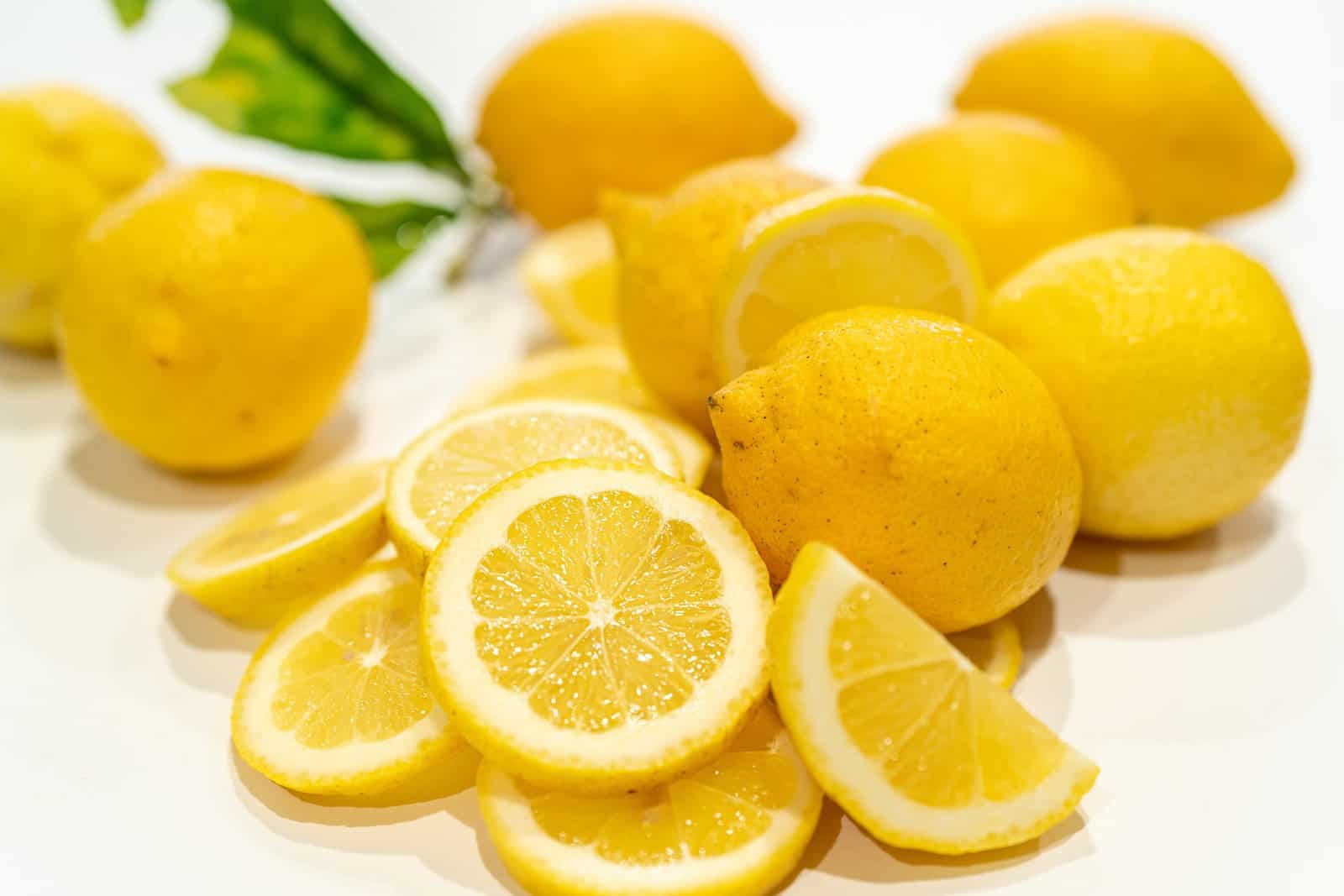
Cockatiels can safely consume a variety of citrus fruits, including oranges, tangerines, lemons and limes. Citrus fruits are high in vitamin C and antioxidants, which will help to keep your bird’s immune system strong and fight off illnesses. Just like with any other fruit or vegetable, it is important to cut the citrus fruit into small pieces before offering it to your cockatiel. Additionally, the seeds and rinds should be removed as they can both be a choking hazard.
Citrus fruits are also high in acidity, so introducing them slowly and only in small amounts is key. If your cockatiel experiences any adverse reactions after eating citrus fruits, stop feeding them and speak to an avian vet for further advice.
The answer to Can Cockatiels Eat Dragon Fruit is?
In conclusion, cockatiels can safely eat dragon fruit in moderation as part of a balanced diet. While it provides numerous health benefits, it is important to be aware of the risks associated with overfeeding and potential allergic reactions. By following these guidelines, cockatiel owners can ensure their pets are receiving the necessary nutrients while avoiding any potential health problems.
Cockatiels are wonderful pets known for their fun personalities and sweet songs. It’s really important for bird owners to understand what a cockatiel’s diet should look like. A balanced diet for cockatiels helps keep them healthy and happy. In this guide, we’ll look at what cockatiels eat, which fruits are safe, the nutrients they need, how to introduce new foods, signs of an unhealthy diet, and recommended fruit serving sizes.
What is a Cockatiel’s Diet?
A cockatiel’s diet should have different types of food to stay healthy. Here are some main parts to include:
Seeds and Pellets: High-quality pellets made just for cockatiels should be a big part of their meals. Seeds can be included but shouldn’t be the only food.
Fresh Fruits and Vegetables: Giving your cockatiel fresh produce is important. It adds vitamins and minerals that pellets might not provide.
Grains and Nuts: Some whole grains and nuts can be given as treats, but only in small amounts.
Following these cockatiel food guidelines helps give your feathered friend a balanced diet that meets their bird dietary needs.
What Fruits can Cockatiels Eat?
Cockatiels can munch on some fruits, but it’s good to know which ones are safe. Here’s a list of bird-friendly fruits:
Cockatiels can safely eat dragon fruit, but just a little bit. Remember, cockatiels are not big fruit eaters. Always wash fruits well and take off any parts that aren’t safe before sharing them with your bird. Feeding cockatiels fresh produce can be a real treat!
What Nutrients are Vital for Cockatiels?
Knowing about cockatiel nutritional requirements is important for their health. Here are some key nutrients to include in their meals:
Vitamin A: Helps with seeing and keeps their immune system strong. You can find it in carrots and spinach.
Calcium: Good for strong bones. Found in leafy greens and can also come from supplements.
Protein: Important for muscles. Present in cooked beans and eggs.
Adding vitamin-rich foods for cockatiels helps them get the nutrition they need to thrive.
How to Introduce New Foods to Cockatiels?
When you want to feed cockatiels new foods, take it slow. Here’s a simple feeding guide for cockatiels:
Start Small: Give them tiny pieces of a new fruit or vegetable along with their regular food.
Watch Them: See how your cockatiel reacts. If they like it, you can slowly give them more.
Be Patient: Sometimes it takes a while for birds to accept new foods. Keep offering different options.
Healthy bird treats are a nice way to mix up their diet and keep things interesting.
Signs of an Unhealthy Diet in Cockatiels
Keeping an eye on your cockatiel’s health is super important. Here are some signs that might mean your bird isn’t eating right:
Feather Problems: Dull or rough feathers could mean they’re missing essential nutrients.
Weight Changes: If your cockatiel suddenly gains or loses weight, that could be a sign of dietary issues.
Behavior Changes: If they seem more tired or cranky than usual, it might relate to poor nutrition.
Fruits to avoid for cockatiels include high-sugar kinds like citrus fruits, as they can create health problems. Paying attention to your cockatiel’s wellness can help catch issues early.
Recommended Fruit Serving Sizes for Cockatiels
To keep a balanced diet, it’s good to serve fruits in the right portions. Here are some cockatiel fruit portion size tips:
Small Pieces: Start with 1-2 teaspoons of chopped fruit each day.
Mix It Up: Rotate different fruits to offer various nutrients.
Limit Sweet Fruits: Only give sugary fruits now and then, in small servings.
By managing what you feed your cockatiel, you’ll help them stay healthy and let them enjoy a variety of flavors.
In conclusion, giving your cockatiel the right diet is key to their happiness and health. By including safe fruits and understanding their nutritional needs, you’re on the right path to being a great bird owner. Feel free to share your tips or questions about cockatiel diets in the comments below! For more insights, check out bird care resources or talk to an avian vet. Your cockatiel deserves the best!
All About Dragon Fruit
Dragon fruit, also called pitaya, is a colorful tropical fruit that’s great for our feathered friends. Many bird owners are curious about it because it’s not just pretty; it’s also healthy. This guide will dive into what dragon fruit is, its nutritional profile, the benefits for birds, and any risks involved. Knowing this will help you feed your birds safely and healthily.
What is Dragon Fruit?
Dragon fruit is originally from Central America, but you can find it growing in many warm places around the world now. Its bright pink or yellow skin and white or red flesh full of tiny seeds make it look unique and fun for birds to eat.
Tropical fruits for birds: Dragon fruit fits perfectly as an exotic treat for birds like cockatiels.
Can cockatiels eat exotic fruits?: Absolutely! Cockatiels can enjoy dragon fruit, but remember to give it to them in moderation. It adds variety to their diet.
Dragon fruit dietary benefits: This fruit is low in calories but packed with nutrients that help keep your bird healthy.
Nutritional Profile of Dragon Fruit
It’s important to know what makes dragon fruit nutritious for your birds. Let’s break down its key nutrients:
Vitamins: Dragon fruit has lots of vitamin C. This vitamin helps boost your bird’s immune system.
Fiber: Dragon fruit is one of those fruits high in fiber for birds. Fiber helps with digestion.
Antioxidants: The antioxidants in dragon fruit help protect cells from damage.
Seeds: When it comes to dragon fruit seed safety, don’t worry! They are safe for birds to eat, just not too many at once.
Benefits of Dragon Fruit for Birds
Adding dragon fruit to your bird’s diet can be beneficial in several ways:
Hydration: With its high water content, dragon fruit helps keep your cockatiel hydrated.
Healthy foods for cockatiels: The vitamins and minerals in dragon fruit support overall bird health.
Beneficial fruits for cockatiels: Its unique flavor and texture can make meals more exciting for them.
Fruits with antioxidants for birds: Antioxidants can help reduce the risk of sickness.
Potential Risks of Feeding Dragon Fruit to Cockatiels
Even though dragon fruit is mostly safe, there are a few things you should watch out for:
Fruits to avoid for cockatiels: Always do your research on new fruits before introducing them.
Dragon fruit allergies in birds: Keep an eye on your bird when you first offer dragon fruit. Allergies are rare but can happen.
Safe fruits for cockatiels: Create a varied diet that includes other bird-friendly fruits too.
Bird-friendly fruits: Make sure the fruit is fresh and clean, as spoiled fruits can upset your bird’s stomach.
In summary, dragon fruit can be a great treat for your cockatiel, providing health benefits along with enjoyment. Just remember, moderation is key, and always observe how your bird reacts to new foods. Why not try giving your pet dragon fruit and see how they like it? Share your stories and let us know about other fruits your birds enjoy! For more helpful bird care tips, be sure to check out our other resources.
Feeding Dragon Fruit to Cockatiels
Feeding your cockatiels fresh foods is super important for their health and happiness. One fun treat to add to their diet is dragon fruit. This colorful tropical fruit isn’t just pretty; it has lots of nutrients that can keep your feathered buddy in great shape. Let’s dive into how to include dragon fruit in your cockatiel’s meals!
How to Prepare Dragon Fruit for Cockatiels
When you’re ready to feed cockatiels dragon fruit, it’s important to prepare it properly. Here’s a simple way to get it ready:
Choose Fresh Dragon Fruit: Pick a ripe, bright-colored fruit. If the skin feels a little soft when you press it, that’s a good sign!
Wash Thoroughly: Rinse the dragon fruit under running water to get rid of any dirt or chemicals.
Cut Open: Slice the fruit in half. You’ll see its striking pink or yellow skin hiding white or reddish flesh with tiny black seeds.
Remove the Flesh: Scoop out the soft inside with a spoon. Don’t worry - the seeds are also safe for cockatiels to eat!
Serve Fresh: Cut it into small pieces for easy eating. You can even mash it up for younger cockatiels who might need help.
How Often to Offer Dragon Fruit to Cockatiels
Adding dragon fruit to your cockatiel’s meals can be a fun treat, but you should do it in moderation. Here’s a quick guide on how often:
Occasional Treat: Give dragon fruit as a special snack since it has more sugar than other fruits.
Balanced Diet: Aim for dragon fruit to make up about 10% of their total diet. Mix in lots of fresh veggies and other fruits like apples, berries, and leafy greens for a well-rounded meal.
This approach ensures your cockatiel stays healthy while enjoying some tasty snacks.
Guidelines for Feeding Fruits to Cockatiels
Knowing which fruits are safe for cockatiels is really important. Here are some guidelines:
Safe Fruits for Cockatiels:
Apples (make sure to remove the seeds)
Bananas
Berries (like strawberries and blueberries)
Mangoes
Papayas
Fruits to Avoid:
Avocado (this is toxic for birds)
Citrus fruits (limit these due to high acidity)
Dried fruits (these can be too sugary)
When trying new fruits, start with a small piece and watch your bird for any reactions.
Can Cockatiels Eat Other Tropical Fruits?
You bet! Cockatiels can enjoy all sorts of tropical and exotic fruits. Here are some tasty options:
Pineapple: Full of vitamin C - just remember to serve it in moderation.
Papaya: Good for digestion and packed with nutrients.
Mango: High in vitamins A and C; just take out the pit before offering it.
Kiwi: This fruit is loaded with good stuff; again, be careful with how much you give.
These fruits can spice up your cockatiel’s diet when given alongside their usual meals, helping keep their eating habits varied and enjoyable.
As you explore these delicious options, your feathered friends will enjoy healthy bird treats that make them happy. Do you have any fun experiences feeding fruits to your cockatiels? Share with us!
At Dr Cockatiel, we support a balanced diet filled with fresh foods, including dragon fruit. Follow these tips to keep your cockatiel thriving!